Entering Before the Range Has Finished Forming
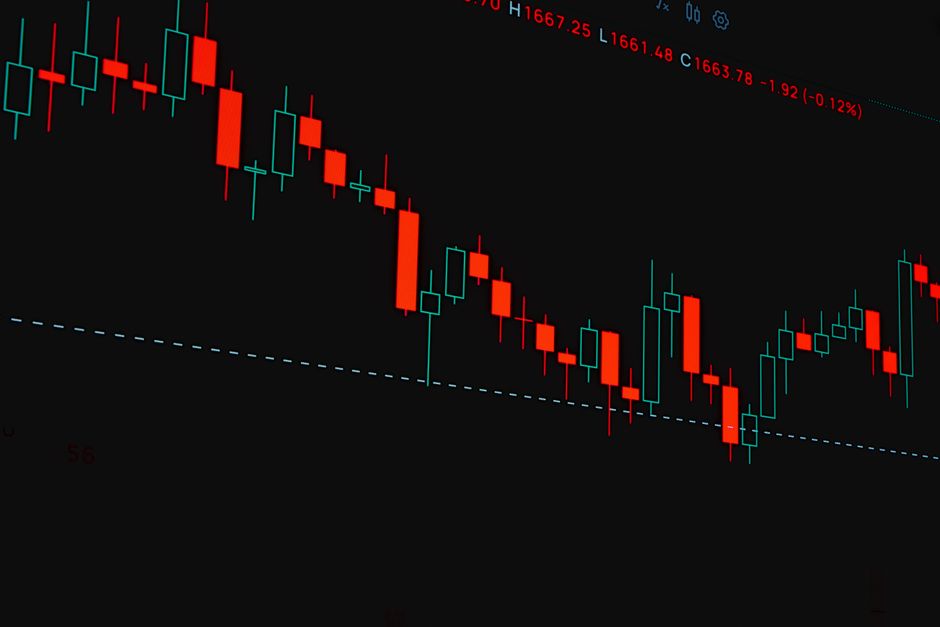
The range period has several minutes left to run. Price is already pressing the top of where it has traded, the move looks decided, and waiting feels like paying for nothing. So the trade goes on early, against a boundary that is not final, using a premise that has not yet been established. This particular error is quieter than most, because it usually looks like nothing more than being slightly ahead of the plan.
The Level Does Not Exist Yet
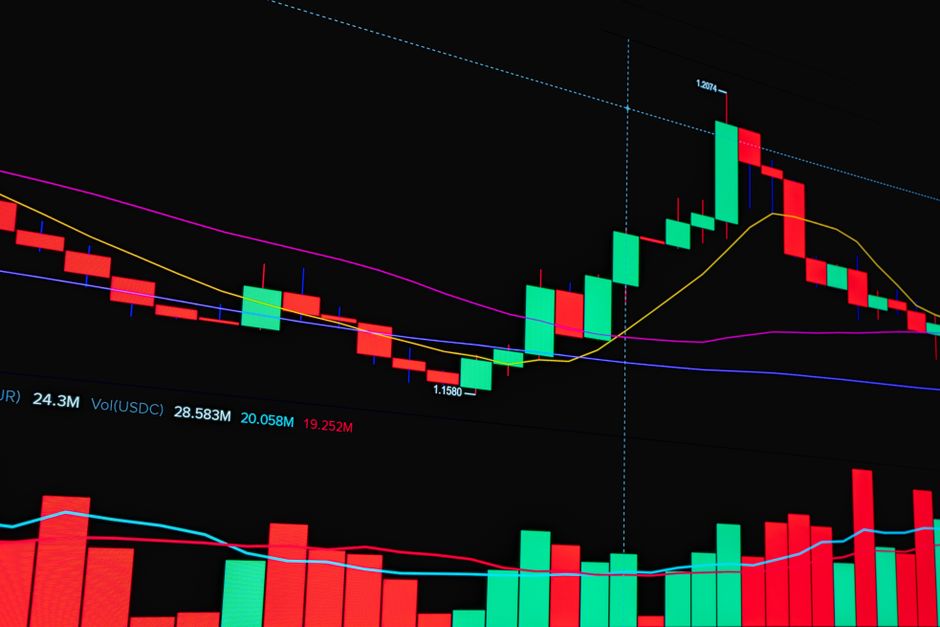
An opening range is defined by a period, not by an area price happens to be occupying at some point during it. Until the period closes, the high is provisional. Price can extend it in the remaining minutes, and if it does, the level that was traded as a breakout becomes an interior point with no significance whatsoever.
That is the mechanical objection and it is enough on its own. A rule that says a break of the range high is the trigger is not being followed early. It is being replaced with a different rule, one that says a break of the highest price so far is the trigger, and that second rule has entirely different properties which have never been examined.
Why It Feels Reasonable

The pull comes from the fear of a bad fill rather than from any analysis. Waiting for the period to complete means the eventual entry may be worse, sometimes noticeably worse, than the price visible now. That cost is easy to picture, immediate, and specific.
The cost on the other side is diffuse and arrives later, so it carries less weight in the moment. It is also flattered by memory. Sessions where the early entry captured a move that ran away are vivid. Sessions where the range extended and the early entry became a position inside a range that then broke the other way are forgotten, filed as ordinary bad luck rather than as a consequence of the timing.
What the Early Entry Removes
The most damaging part is not the entry price. It is the stop. A stop that belongs at the opposite edge of the range cannot be placed properly when the range is not finished, so it goes somewhere approximate and gets adjusted afterwards, which is a poor way to begin.
The range height also disappears as a piece of information. Deciding whether the range is unusually tall, whether the arithmetic still works, whether the session is one to skip at all, requires a completed period. Entering early forfeits every one of those checks, which means the trades most likely to be taken early are the fast moving sessions where those checks matter most.
The Sessions Where It Bites Hardest
The error is worst on days that open with a strong directional push. Price runs, sits at the extreme, and the temptation to get in before the level is confirmed is at its peak. Those are also the sessions where a late reversal within the period is most likely, because a fast early move draws in the other side.
The result is a position taken at the top of a range that has not finished, held into a second half that goes the other way, with a stop that was never properly located. That combination produces losses out of proportion to the modest impatience that started it.
Removing the Decision Instead of Winning It
Willpower applied minute by minute during the formation period is an unreliable tool, because the decision is presented repeatedly and only has to be lost once. It is easier to remove the opportunity. Not placing any order until the period has closed, keeping the order ticket shut, or simply looking away from the screen until the clock says the range is complete all work by making the early entry require an extra step.
There is also a legitimate version of the impulse worth acknowledging. A trader who genuinely believes a shorter formation period suits their instrument should test that as a rule, adopt it explicitly, and use it every session. That is a different strategy, honestly chosen. What it is not is a decision made on one particular morning because waiting felt expensive.