ORB Trading Mistakes
A working list of the errors that keep recurring around opening range trades, taken one at a time: the reasoning that makes each feel sensible in the moment, what it costs, and the arrangements that make repeating it harder.
The Errors Repeat, Which Is the Useful Part
Opening range breakout rules are simple enough to write on an index card, and that simplicity is misleading. The losses that hurt most rarely come from a flaw in the rules. They come from the same three or four departures from them, made by the same person, for reasons that felt sound at the time. Because the departures repeat, they can be named, and once a thing has a name it becomes much harder to do accidentally. That is the whole reason for writing any of this down.
Every Error Has a Respectable Explanation
Nobody widens a stop while thinking of it as abandoning the plan. They think of it as giving the trade room to work, avoiding a stop hunt, or making an allowance for conditions. The explanation is usually reasonable in isolation, which is exactly what makes it effective. A mistake that announced itself as a mistake would be easy to refuse. Studying these errors is mostly a matter of learning to recognise the respectable explanation that arrives attached to each one, because the explanation shows up before the action does.
Timing Is Where Discipline Actually Fails
A rule written on Sunday and a rule applied at the open are not the same rule, even when the words are identical. The version applied in the moment is being read by someone who can see price moving, who has an opinion about it, and who does not want to miss out. This is why so many errors cluster in the first minutes after the range period ends. The decision window is short, the pressure is real, and any judgement left open at that point tends to resolve toward participation.
The Cost Is Not Only the Losing Trade
A widened stop that eventually works is more expensive than one that fails, because it teaches the wrong lesson and will be widened again on a worse day. A skipped session traded anyway can produce a win, and that win makes the next skipped session harder to honour. Judging these errors by the outcome of the individual trade misses the point entirely. They are costly because of what they do to the rules, and the rules are the only thing producing an edge over a long run of sessions.
Errors Worth Naming
The articles here work through specific recurring errors one at a time: widening a stop and describing it as giving the position room, entering before the range period has actually finished, and trading a session that was already assessed and set aside. Each one gets its own piece covering how it starts, the reasoning that carries it, what it costs beyond the single trade, and the practical arrangements that make it harder to repeat.
Latest Guides
Entering Before the Range Has Finished Forming
2026-09-03
The range period has several minutes left to run. Price is already pressing the top of where it has traded, the move looks decided, and waiting feels like paying for nothing. So the trade goes on early, against a boundary that is not final, using a premise that has not yet been established. This particular error is quieter than most, because it usually looks like nothing more than being slightly ahead of the plan.
The Level Does Not Exist Yet
An opening range is defined by a period, not by an area price happens to be occupying at some point during it. Until the period closes, the high is provisional. Price can extend it in the remaining minutes, and if it does, the level that was traded as a breakout becomes an interior point with no significance whatsoever.
That is the mechanical objection and it is enough on its own. A rule that says a break of the range high is the trigger is not being followed early. It is being replaced with a different rule, one that says a break of the highest price so far is the trigger, and that second rule has entirely different properties which have never been examined.
Why It Feels Reasonable

The pull comes from the fear of a bad fill rather than from any analysis. Waiting for the period to complete means the eventual entry may be worse, sometimes noticeably worse, than the price visible now. That cost is easy to picture, immediate, and specific.
The cost on the other side is diffuse and arrives later, so it carries less weight in the moment. It is also flattered by memory. Sessions where the early entry captured a move that ran away are vivid. Sessions where the range extended and the early entry became a position inside a range that then broke the other way are forgotten, filed as ordinary bad luck rather than as a consequence of the timing.
What the Early Entry Removes
The most damaging part is not the entry price. It is the stop. A stop that belongs at the opposite edge of the range cannot be placed properly when the range is not finished, so it goes somewhere approximate and gets adjusted afterwards, which is a poor way to begin.
The range height also disappears as a piece of information. Deciding whether the range is unusually tall, whether the arithmetic still works, whether the session is one to skip at all, requires a completed period. Entering early forfeits every one of those checks, which means the trades most likely to be taken early are the fast moving sessions where those checks matter most.
The Sessions Where It Bites Hardest
The error is worst on days that open with a strong directional push. Price runs, sits at the extreme, and the temptation to get in before the level is confirmed is at its peak. Those are also the sessions where a late reversal within the period is most likely, because a fast early move draws in the other side.
The result is a position taken at the top of a range that has not finished, held into a second half that goes the other way, with a stop that was never properly located. That combination produces losses out of proportion to the modest impatience that started it.
Removing the Decision Instead of Winning It
Willpower applied minute by minute during the formation period is an unreliable tool, because the decision is presented repeatedly and only has to be lost once. It is easier to remove the opportunity. Not placing any order until the period has closed, keeping the order ticket shut, or simply looking away from the screen until the clock says the range is complete all work by making the early entry require an extra step.
There is also a legitimate version of the impulse worth acknowledging. A trader who genuinely believes a shorter formation period suits their instrument should test that as a rule, adopt it explicitly, and use it every session. That is a different strategy, honestly chosen. What it is not is a decision made on one particular morning because waiting felt expensive.

Trading a Session You Had Already Decided to Skip
2026-09-03
The assessment was made early and it was made properly. The range was too tall, or a scheduled release was due mid morning, or the instrument was behaving in a way the rules were never built for. The decision was to sit this one out. An hour later the position is open. Nothing about the original assessment changed. What changed was the amount of time spent watching a market move without being in it.
The Reversal Is Gradual
The skip decision is almost never overturned in one step. It erodes. First the session is being watched out of interest. Then a smaller entry is considered, as a compromise rather than a full breach. Then the reason for skipping is reinterpreted in a slightly more forgiving light, because the thing that was feared has not happened yet.
By the time the order goes in, the decision no longer feels like a reversal at all. It feels like an updated view based on new information. The distinguishing test is simple and uncomfortable: is there genuinely new information, or has the same information simply been looked at for another hour by someone increasingly bored of watching.
Boredom Is the Actual Mechanism

A skipped session leaves an unusual gap. The preparation was done, the screens are open, the attention is engaged, and there is nothing to apply it to. That gap is uncomfortable in a way that has nothing to do with markets, and taking a trade resolves it instantly.
Recognising the discomfort as boredom rather than as insight is most of the defence. The feeling that something must be done is not information about the session. It is information about the state of the person watching, and the two are easy to confuse because they arrive in the same voice.
A Win Here Is the Bad Outcome
If every abandoned skip lost money the habit would correct itself within a few weeks. Instead a fair number of them work, because the reasons for skipping are probabilistic rather than absolute. A wide range session sometimes trends beautifully. A day with a release scheduled sometimes runs cleanly right up to it.
The profitable breach is the expensive one. It supplies evidence that the filter is too strict, and that evidence is vivid, recent and personal, which is exactly the kind that overrides a rule established from a long run of sessions. The next skip will be abandoned faster, on thinner grounds, and eventually the filter that was doing quiet useful work will not exist at all.
Write the Reason, Not Just the Decision
A skip recorded as a single word is easy to overturn, because there is nothing to argue against. A skip recorded with its specific reason is much more durable. Noting that the range measured well above what this instrument normally produces, or that a release lands mid morning, creates a written statement that can be checked later.
It also makes the reversal visible while it is happening. Reading back a reason written forty minutes earlier and finding it still true is an awkward moment for the impulse to trade, which is precisely the point. The note does not need to be long. It needs to exist and to be specific enough that a vague later feeling cannot quietly replace it.
Giving the Empty Session a Job
The practical fix is usually structural rather than psychological. A skipped session with an assigned purpose is far easier to hold than an empty one. Reviewing the previous week, updating the record of typical range heights, marking up what the session did without a position in it, all of these occupy the attention that would otherwise go looking for a trade.
Closing the platform entirely is the strongest version and is available more often than people admit. If the session has been assessed and declined, the assessment does not improve by continuing to stare at it. The rest of the morning is not a decision that stays open. It was already made, by someone calmer, with the same information.
Widening a Stop and Calling It Giving It Room
2026-09-03
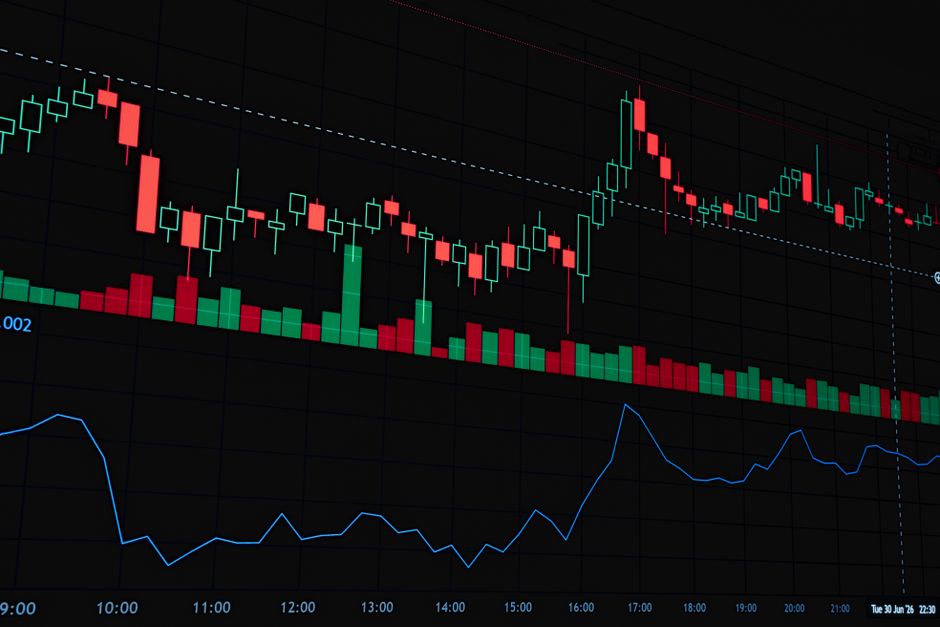
The stop was placed before the entry, at a level chosen calmly, for a reason that was written down. Price approaches it. The hand moves, the stop goes further away, and the internal description of what just happened is that the trade is being given room. That phrasing is doing a great deal of work, and it is worth taking apart, because almost nobody widens a stop while believing they are breaking their own rules.
Where the Impulse Comes From
Two things are usually happening at once. The first is loss aversion in its plainest form. A stop that has not been hit is still a position, and a position that is still open is not yet a realised loss, so moving the stop postpones something unpleasant at essentially no immediate cost. The second is that the reasoning available in the moment is genuinely plausible. Price is only just reaching the level. Volatility does look higher than it did an hour ago. The move does appear to be pausing rather than reversing.
None of those observations are false. They are simply arriving at the worst possible time, produced by someone with an open position and an obvious preference about the outcome. The same observations were available before the entry, when they could have justified a wider stop taken deliberately with correspondingly smaller size.
What the Wider Stop Actually Changes
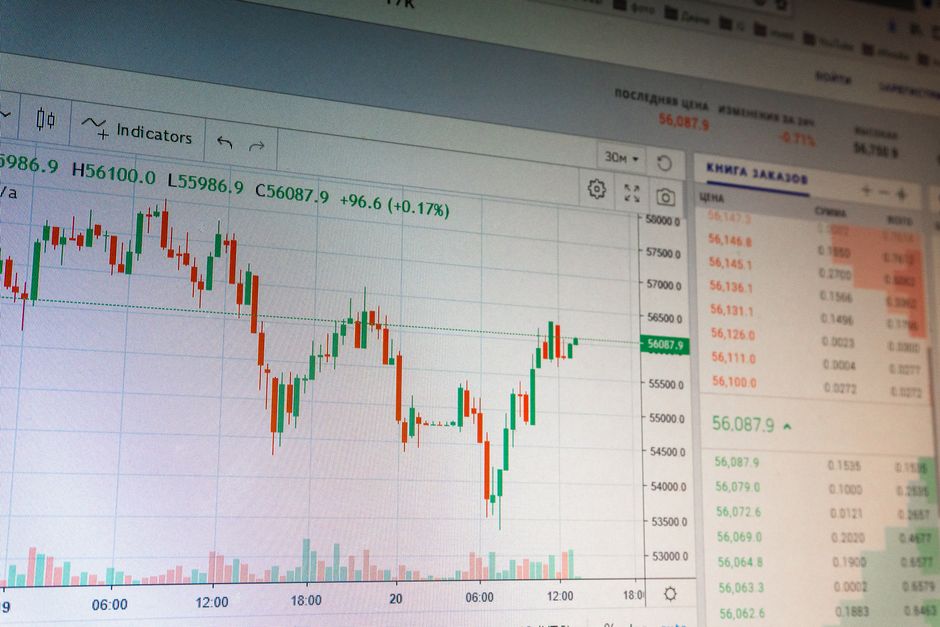
The position was sized against a specific distance. Widening the stop without reducing size increases the money at risk, silently, on a trade that is currently going the wrong way. That is the exact opposite of how risk should scale with evidence, and it happens without any conscious decision to take on more exposure.
It also breaks the meaning of the level. A stop sitting at the far edge of the opening range is there because price returning through the whole range says the breakout premise has failed. Moved beyond that edge, the stop no longer marks anything. It sits at a distance chosen because it was slightly further than where price happened to be, which is not a level at all.
The Version That Works Is the Expensive One
If every widened stop lost, the habit would die quickly. What actually happens is that some proportion of them work. Price turns, the trade recovers, and the conclusion drawn is that patience was correct and the original stop was too tight.
That is the costly outcome. It converts a rule breach into an apparent skill, and it guarantees a repeat under worse conditions, because the next widening will be a little further and on a trade with less going for it. The genuinely useful record is not whether this particular one worked. It is what the whole population of widened stops has done across a long run of sessions, and that number tends to be considerably less flattering than the memorable rescue.
Separating a Bad Stop From a Bad Habit
Sometimes the stop really was in the wrong place. A stop tucked just inside a range edge on an instrument that routinely pokes through levels before continuing will be taken out repeatedly by noise, and that is a design problem worth fixing.
The fix belongs before the session, not during a trade. If a review across many sessions shows stops being clipped and then vindicated with regularity, the placement rule should change, along with the sizing that depends on it. Changing it once, in writing, and applying it to every trade afterwards is a different act from changing it for this trade because this trade is currently uncomfortable.
Making It Physically Harder
Intention is a weak defence against something that only requires a moment of hesitation. Practical arrangements work better. Placing the stop as a resting order the instant the entry fills means removing it takes deliberate effort rather than inaction. Deciding the maximum loss in money terms before the entry, and knowing that widening the stop breaches it, gives the impulse something concrete to collide with.
The simplest safeguard is a note recording every instance, with the reason given at the time. Written down and read back a month later, the reasons look far less individual than they felt, and that repetition is what eventually makes the habit visible enough to drop.