Trading a Session You Had Already Decided to Skip
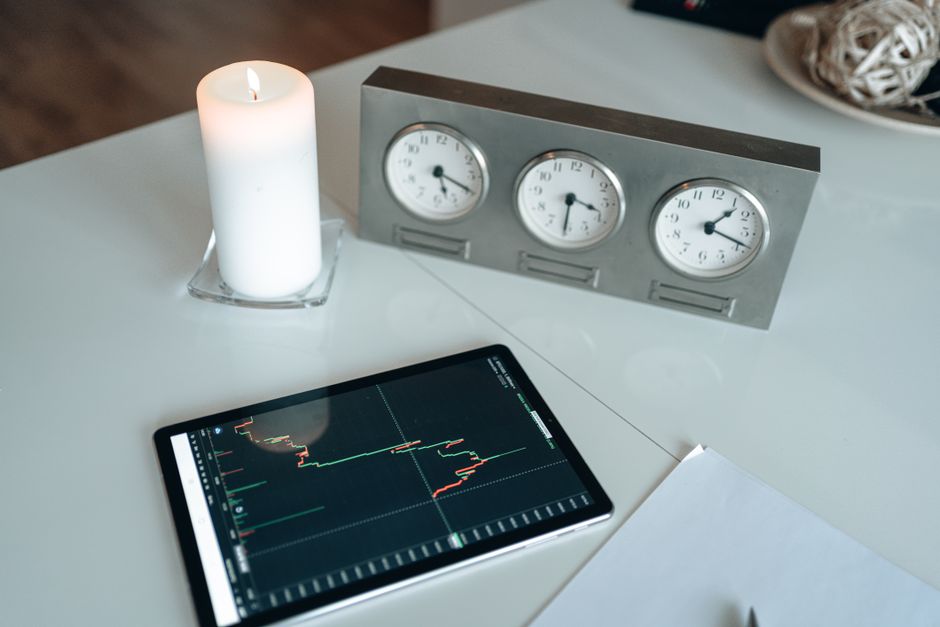
The assessment was made early and it was made properly. The range was too tall, or a scheduled release was due mid morning, or the instrument was behaving in a way the rules were never built for. The decision was to sit this one out. An hour later the position is open. Nothing about the original assessment changed. What changed was the amount of time spent watching a market move without being in it.
The Reversal Is Gradual
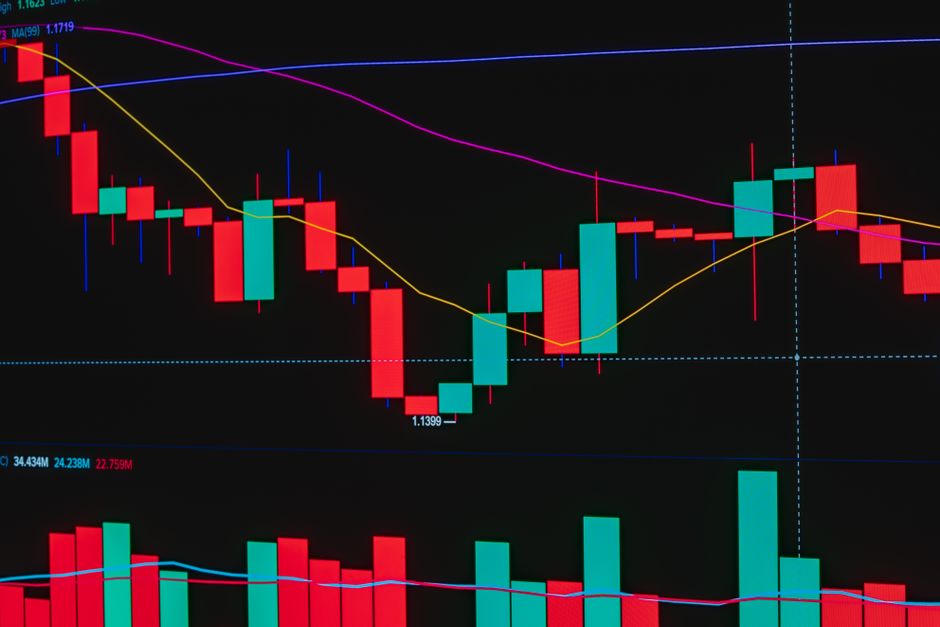
The skip decision is almost never overturned in one step. It erodes. First the session is being watched out of interest. Then a smaller entry is considered, as a compromise rather than a full breach. Then the reason for skipping is reinterpreted in a slightly more forgiving light, because the thing that was feared has not happened yet.
By the time the order goes in, the decision no longer feels like a reversal at all. It feels like an updated view based on new information. The distinguishing test is simple and uncomfortable: is there genuinely new information, or has the same information simply been looked at for another hour by someone increasingly bored of watching.
Boredom Is the Actual Mechanism

A skipped session leaves an unusual gap. The preparation was done, the screens are open, the attention is engaged, and there is nothing to apply it to. That gap is uncomfortable in a way that has nothing to do with markets, and taking a trade resolves it instantly.
Recognising the discomfort as boredom rather than as insight is most of the defence. The feeling that something must be done is not information about the session. It is information about the state of the person watching, and the two are easy to confuse because they arrive in the same voice.
A Win Here Is the Bad Outcome
If every abandoned skip lost money the habit would correct itself within a few weeks. Instead a fair number of them work, because the reasons for skipping are probabilistic rather than absolute. A wide range session sometimes trends beautifully. A day with a release scheduled sometimes runs cleanly right up to it.
The profitable breach is the expensive one. It supplies evidence that the filter is too strict, and that evidence is vivid, recent and personal, which is exactly the kind that overrides a rule established from a long run of sessions. The next skip will be abandoned faster, on thinner grounds, and eventually the filter that was doing quiet useful work will not exist at all.
Write the Reason, Not Just the Decision
A skip recorded as a single word is easy to overturn, because there is nothing to argue against. A skip recorded with its specific reason is much more durable. Noting that the range measured well above what this instrument normally produces, or that a release lands mid morning, creates a written statement that can be checked later.
It also makes the reversal visible while it is happening. Reading back a reason written forty minutes earlier and finding it still true is an awkward moment for the impulse to trade, which is precisely the point. The note does not need to be long. It needs to exist and to be specific enough that a vague later feeling cannot quietly replace it.
Giving the Empty Session a Job
The practical fix is usually structural rather than psychological. A skipped session with an assigned purpose is far easier to hold than an empty one. Reviewing the previous week, updating the record of typical range heights, marking up what the session did without a position in it, all of these occupy the attention that would otherwise go looking for a trade.
Closing the platform entirely is the strongest version and is available more often than people admit. If the session has been assessed and declined, the assessment does not improve by continuing to stare at it. The rest of the morning is not a decision that stays open. It was already made, by someone calmer, with the same information.