
Watch the tape closely as the price approaches the boundary of the established opening range. The data at orb trading mistakes larrycrowne shows that many traders fall victim to a false breakout during the first hour of regular trading hours. This specific mistake involves entering a position on a momentary breach of the price level that lacks the required volume to sustain a trend.
The Mechanics of the Trap
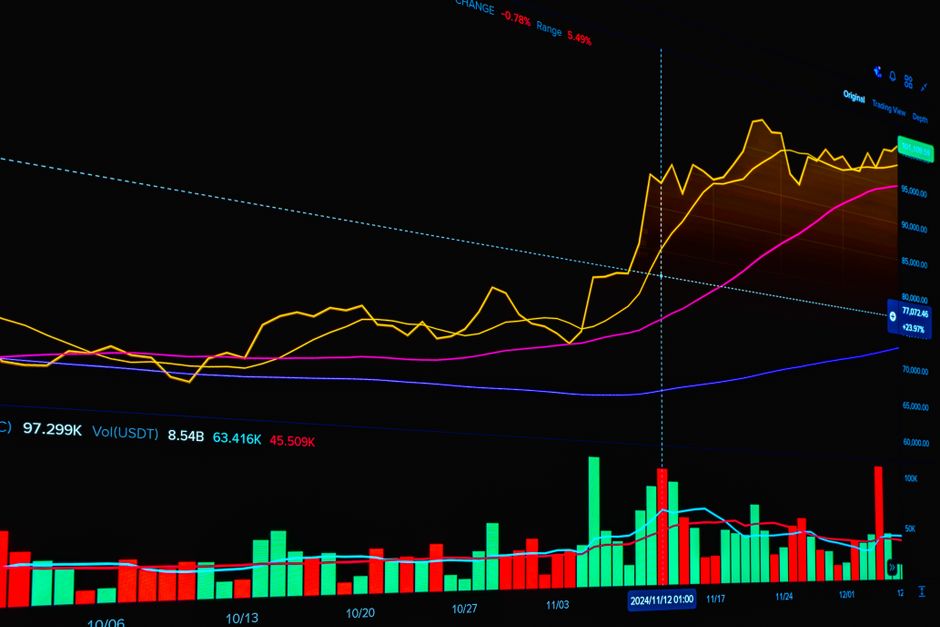
A false breakout occurs when the price pierces a level set during the five minute range but fails to hold. The tape often shows a quick spike above the session high followed by an immediate reversal. This movement lacks the delta or the aggressive buying required to shift the intraday bias. Instead of a sustained trend, the price returns to the interior of the range. This pattern frequently happens shortly after the market open when liquidity is volatile but directionally undecided.
Volume and Momentum Discrepancy
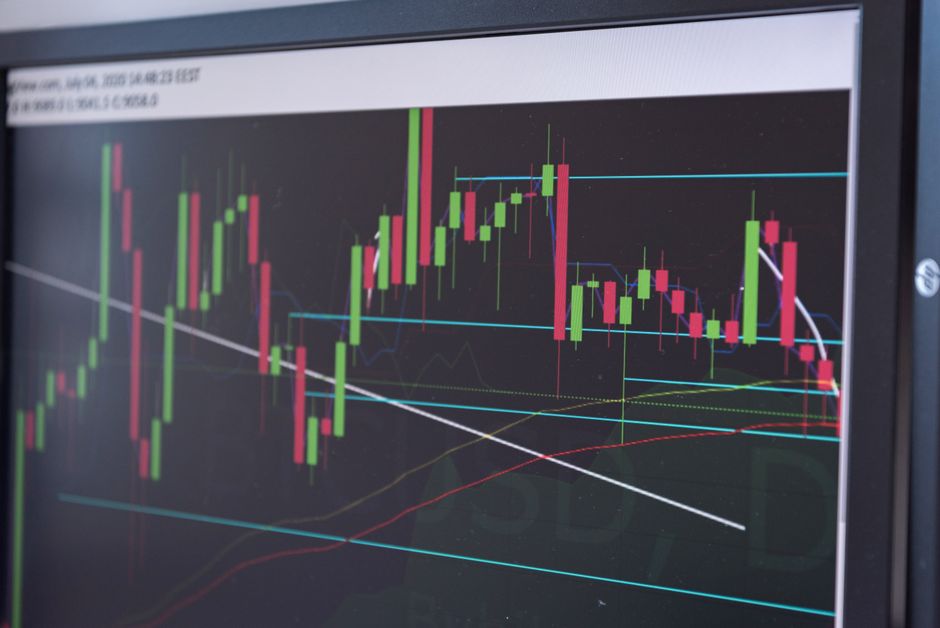
Execution requires observing the relationship between price movement and volume. A legitimate opening range breakout demands a surge in participation. If the price moves beyond the 15 minute range on low relative volume, the move lacks conviction. In these instances, the breach is merely a liquidity grab. The lack of follow through suggests that large orders are absorbing the breakout attempt rather than fueling it. A small sample of candles often reveals the exhaustion of the immediate buyers.
Identifying the Reversal
The trap is confirmed when the price closes back inside the previous boundary. A failure to hold above the thirty minute range often leads to a test of the opposite side of the range. Watching the order flow during the first fifteen minutes provides the necessary context for these failed attempts. When the price fails to establish a new consolidation zone above the breakout level, the momentum has evaporated. The failure to maintain the breach turns the breakout attempt into a signal for a mean reversion trade.
Timeframe Context
Different periods provide different levels of significance. A breach of a 5 minute level is common and often noise. However, a breach of the sixty minute range requires much more substantial participation to be valid. The timeframe dictates the expected depth of the trap. A failed move on a higher timeframe carries more weight than a failed move on a lower timeframe. Monitoring the tape during the transition from the premarket to the cash open helps identify these early-session traps.
Mechanical Execution
Avoid entering on the first touch of the level. Wait for the candle close to confirm the direction. If the price pierces the level and immediately retreats, the trap is active. The risk is high because the price is often pulled back toward the center of the range. Successful management involves recognizing the absence of volume before the reversal begins. The work depends on seeing the lack of follow through as a definitive signal of a failed move.