
Most traders execute large orders during the initial volatility spike and assume the liquidity will hold. The breakdown sitting on orb trading mistakes larrycrowne lists them in order to prevent such slippage during an opening range breakout. Volume often tapers off immediately after the initial burst, causing price to stall or reverse. An inadequate liquidity assessment leads to poor fills and increased costs.
The Liquidity Gap After the Initial Burst
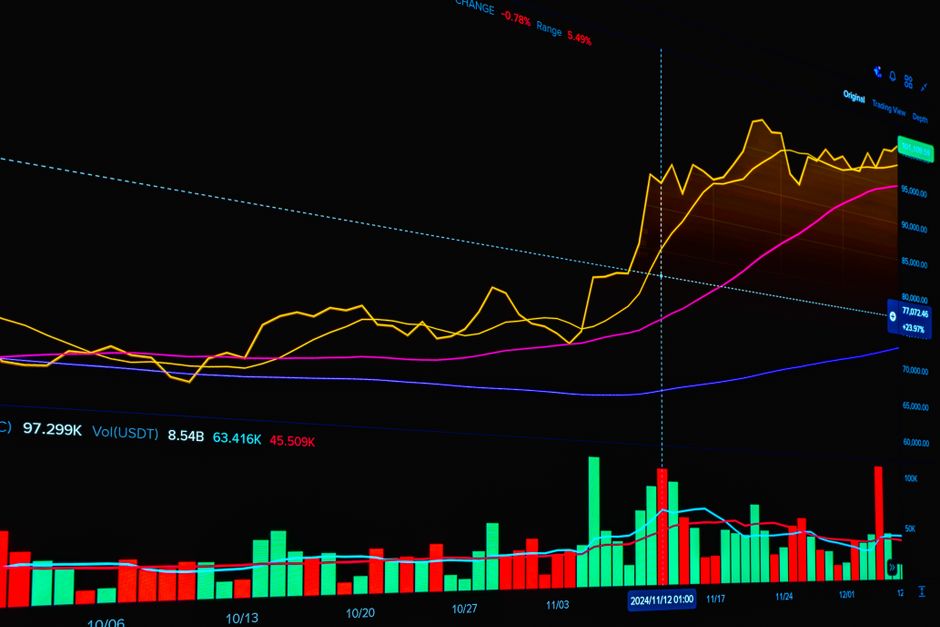
The first fifteen minutes of the session provide high volume, but this liquidity is deceptive. Many attempt to scale into positions as soon as a level is breached. This happens right as the market open volatility begins to subside. Entering a large position during this specific window results in excessive slippage. The order book thins out because the initial participants have already filled their primary intent. A large order meets an empty book, driving the price against the position before the trend even establishes itself.
Timing the Volume Cycles
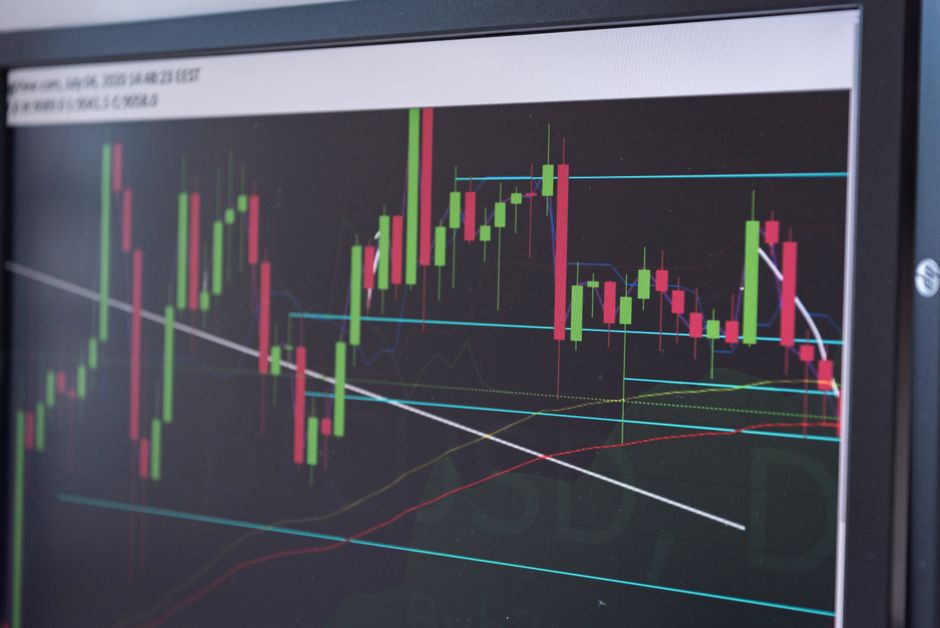
The transition from the opening bell to the steady state of regular trading hours is a danger zone. A thirty minute range might look stable, but the depth of the market changes rapidly. Orders placed at the peak of the first hour often face different liquidity profiles than those placed later. Relying on the volume from the first few minutes to carry a heavy position through the rest of the session is a mechanical error. The depth visible on the tape during the opening minute does not reflect the depth available ten minutes later.
Measuring the Order Book Depth
Successful execution requires looking at the bid and ask density relative to the timeframe being used. In a five minute range, the spread often widens if the volume drops. Large entries during these gaps create artificial price movement. This movement is not a trend, but a lack of resting orders. Watching the tape during the transition from the premarket to the active session helps identify when the book is too thin to support heavy size. A large order in a thin book creates a false signal of momentum.
The Risk of False Breakouts
A breakout from a fifteen minute range often lacks the follow through required for large entries. If the volume does not sustain, the price will likely mean revert. This mean reversion is exacerbated by the trader's own size. When the liquidity dries up, the lack of resistance on the other side of the spread makes the move look more violent than it actually is. Testing the waters with smaller clips before committing full size mitigates the impact of these hollow movements. The goal is to align entry size with the available depth in the order book.