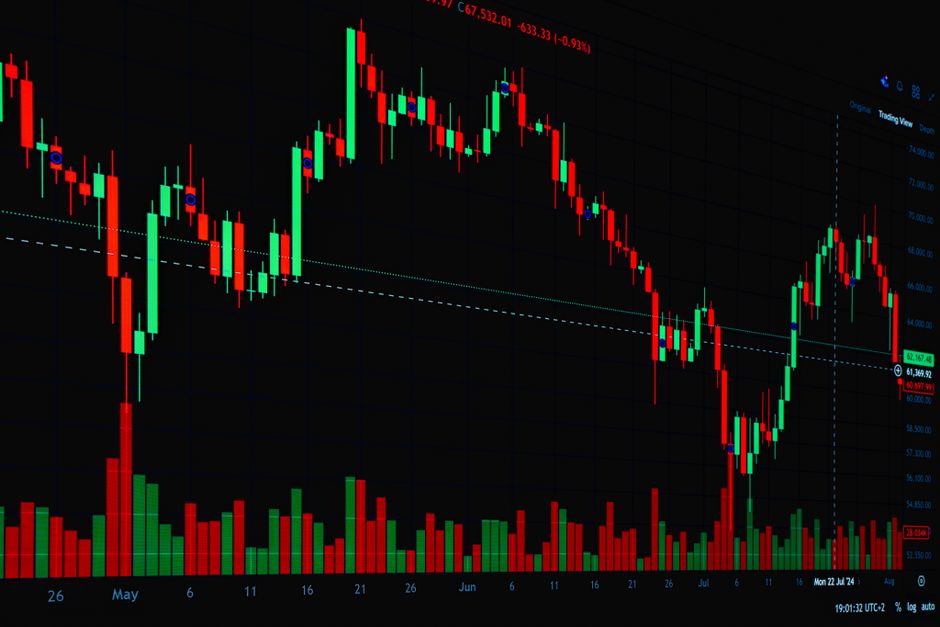
By the time the first candle closes against the trend, the capital is already tied up in a bad direction, as the notes at orb trading mistakes larrycrowne describe. This specific error occurs during an opening range breakout when the price moves against the initial position. A trader attempts to fix a losing orb position by adding more size before the intraday price action proves a new structural level exists.
The Mechanics of Premature Scaling
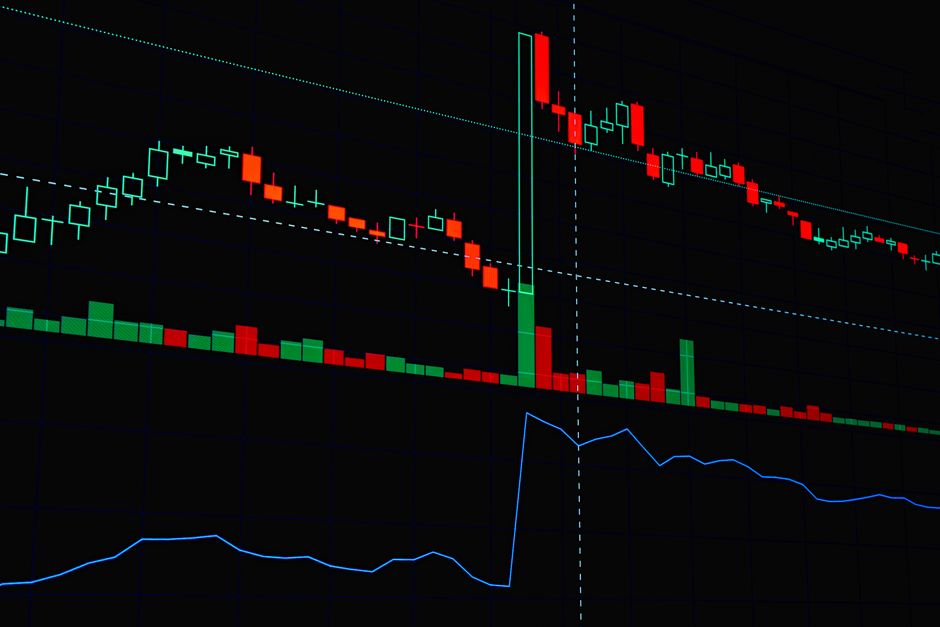
Adding to a position during the first fifteen minutes of the session requires a clear change in market structure. Many errors stem from treating a temporary pullback as a confirmed reversal. When the price moves below the low of the five minute range, the original thesis is broken. Instead of exiting, size is increased in an attempt to lower the average entry price. This behavior turns a controlled loss into a heavy drawdown. The market often continues to move toward the next liquidity zone without pausing to respect the added capital.
Structural Confirmation Requirements

A new structural level must be established on a higher timeframe before any additional size is deployed. If the initial trade was based on the thirty minute range, the price must stabilize and create a higher low on a smaller timeframe. Relying on the opening bell momentum to reverse a losing position is a mechanical failure. The price needs to digest the initial volatility. Without a clear floor, adding size is merely a way to increase the velocity of a losing trade. A failed attempt to catch a falling knife often leads to a complete loss of the day's allocated risk.
Timeframe Discrepancies
The mismatch between the entry timeframe and the trend timeframe causes most scaling issues. A trade entered on a 5 minute chart might face resistance that is only visible on a 15 minute chart. If the price is trending downward during the first hour, adding to a long position is a direct contradiction of the trend. The price action must show a shift in the order flow. A simple pause in a downward move is not a structural shift. The market frequently uses these pauses to trap additional liquidity before continuing the original direction.
Managing the Session High and Low
The session high and low provide the boundaries for the day. If the price breaks the low of the opening range, the bias shifts. Attempting to scale into a long position while the price is actively making new lows is a mechanical error. The risk must be calculated based on the established levels of the regular trading hours. Adding size to a losing trade shifts the risk profile from a single defined loss to an undefined exposure. Each addition requires a new verification of the trend. Without that verification, the capital is simply being thrown into a void.