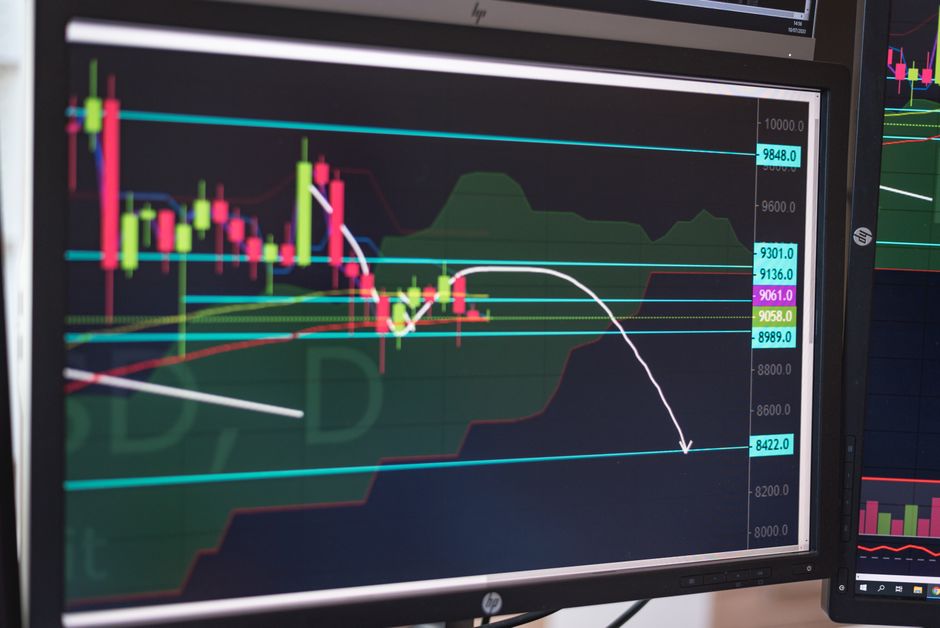
Ten thousand instances of failed momentum entries analyzed within every teardown orb trading mistakes larrycrowne has logged shows the same thing regarding the opening range breakout. The tendency to add size during the initial vertical move rather than waiting for a pullback creates a mechanical imbalance in the trade structure. This specific error in an orb approach often stems from a desire to capture the full breadth of the intraday move before the first fifteen minutes conclude.
The mechanics of scale-in disruption
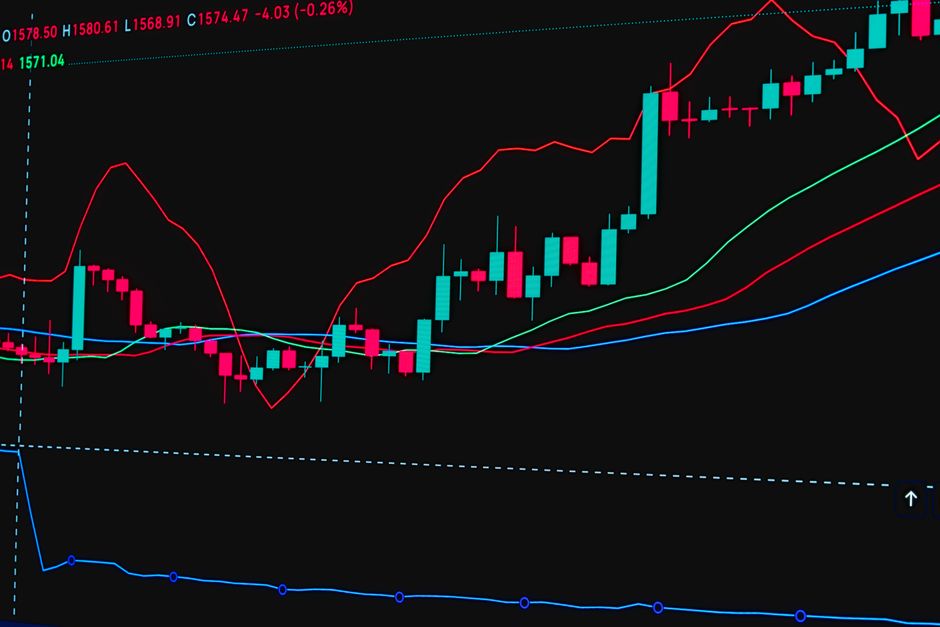
Adding to a position during the initial surge violates the principle of average entry price management. When a price moves violently away from the opening bell, the spread between the current price and the support level widens. Entering a second or third lot while the candle is still expanding increases the risk of a drawdown that exceeds the planned stop loss. A technician observes that the delta between the initial entry and the subsequent addition often exceeds the total volatility of the fifteen minute range. This makes the position vulnerable to even a minor mean reversion.
The retest necessity

A valid scale-in requires a structural anchor. Waiting for the price to return to the boundary of the five minute range provides a mathematical basis for the addition. Without this touch, the second entry is merely a chase. In many sessions, the price hits a new session high and then immediately retreats to the origin of the breakout. A trader who scaled in during the verticality finds the position underwater before the trend even establishes. The math of the trade breaks because the cost basis is pushed too far into the extension zone.
Volatility and position sizing
The first hour of regular trading hours carries a volume profile that cannot be ignored. High volume during the initial expansion provides a false sense of security. If the addition occurs during the peak of the impulse, the risk-to-reward ratio collapses. A disciplined approach requires the price to prove the breakout by holding the previous level. Using a 15 minute timeframe to confirm the structure prevents the mistake of loading a position at the absolute top of a localized spike. The data shows that chasing the extension leads to higher frequency stop outs.
Managing the intraday edge
Success in this environment relies on the separation of the initial entry and the follow-up. The initial entry captures the breakout. The follow-up captures the trend. If the follow-up happens during the breakout itself, the two actions merge into one high-risk trade. This creates a heavy position that cannot withstand a standard pullback to the thirty minute range. A controlled execution keeps the average cost near the breakout point. This keeps the math in favor of the trader throughout the session.