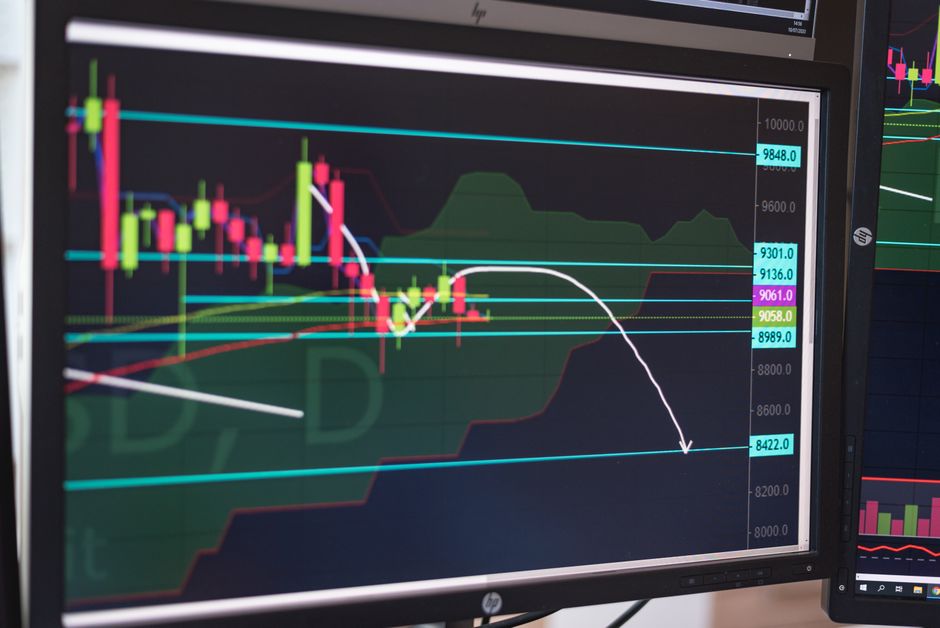
The sharp ringing of the opening bell often triggers a reflexive reaction in momentum traders. Every teardown orb trading mistakes larrycrowne has logged shows the same thing regarding the gap-and-go fallacy. Traders observe a large premarket move and immediately assume an opening range breakout is imminent. This error stems from treating a price jump as a signal of strength rather than a shift in the value area. The overnight session often moves price far away from the previous day close. This shift means the market is not breaking out, it is simply revaluing the asset at a new level.
The mechanics of the gap
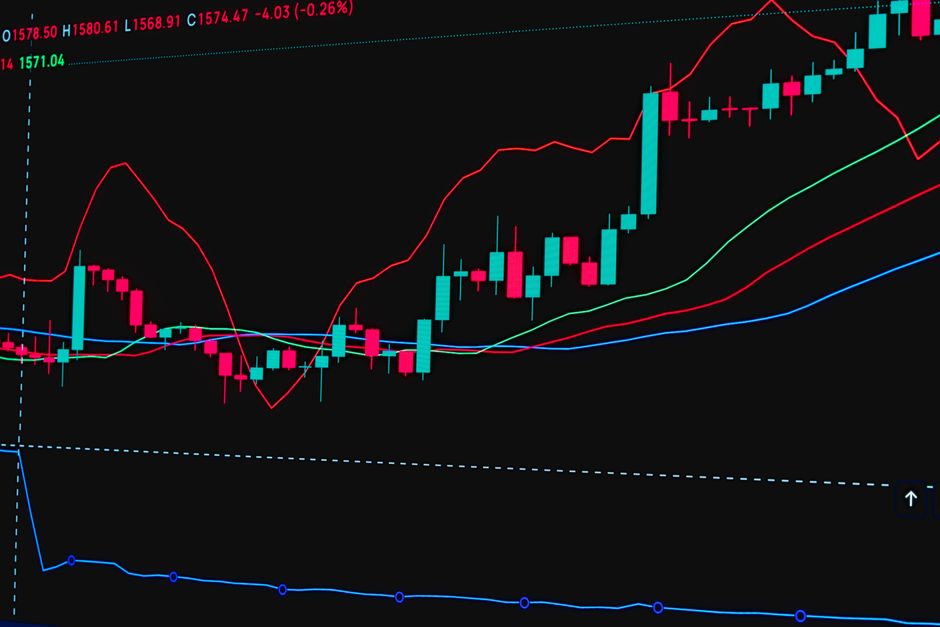
A significant gap represents a change in equilibrium. When the market open occurs, the price starts at a point that reflects new information from the overnight session. If the gap is large, the previous session high is no longer a relevant pivot point for the immediate intraday trend. The error occurs when a trader tries to buy the first 5 minute candle because it follows the direction of the gap. This ignores the fact that the gap itself is the new baseline. A large gap often leads to a mean reversion toward the previous day's value rather than a sustained trend.
Defining the new value area

The first fifteen minutes of regular trading hours provide the first data points for the new equilibrium. A gap-and-go trader looks for momentum, but a mechanical approach looks for the establishment of a new range. If the price stays above the gap, a new support level forms. If the price fails to hold the gap, the market is likely seeking the old value area. Using a 15 minute range to define the initial boundaries prevents the mistake of chasing a move that has already exhausted its primary impulse. The gap is the start of the session, not the fuel for it.
Timeframe misalignment
Mistakes happen when the timeframe used to judge the gap does not match the timeframe of the volatility. A trader might see a massive gap on a 5 minute chart and assume the trend is locked in. However, the 60 minute range might show that the move is a complete exhaustion of buyers. The gap is a displacement. It is a jump from one state to another. Treating this displacement as a continuous trend is a fundamental error in reading price action. The market needs time to build a new base after a large jump in price.
The trap of momentum chasing
Chasing the initial move after the cash open often results in buying the local top. The gap-and-go fallacy assumes that the velocity of the premarket move will carry through the first hour. Statistics show that large gaps often result in a period of consolidation or a fade. A mechanical trader waits for the thirty minute range to settle before determining if the gap is being defended. This avoids entering a position based on the illusion of a breakout when the market is actually just finding its new footing.