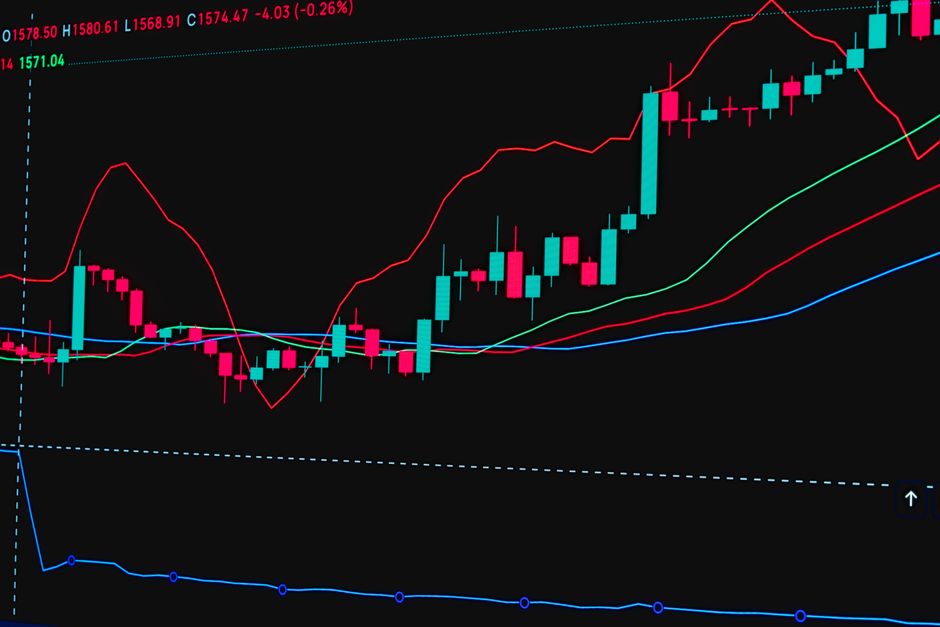
The cost is driven by the volume of failed breakouts. A late session drift shows up as a false signal, as the notes at orb trading mistakes larrycrowne describe. Misreading an opening range breakout during the first hour leads to the same error as chasing a move during power hour. Traders often confuse intraday momentum with the volatility present at the market open.
The Mechanics of Drift

A breakout lacks the same velocity at two o'clock as it does at the opening bell. Volume profiles shift as the morning liquidity dries up. A move that clears the thirty minute range during the first fifteen minutes carries a specific institutional weight. That same move occurring near the closing bell often lacks the participation needed to sustain a trend. The price action becomes thin. The lack of depth makes a fakeout more likely. A breakout without volume is just a drift.
Timeframe Decay

Execution errors occur when the fifteen minute range is treated as a permanent structural shift. The energy of the cash open is finite. Once the initial orders are filled, the market enters a different phase of movement. A breakout at eleven o'clock does not carry the same conviction as the initial fifteen minute candle. The tendency to apply the same rules to the mid-day lull as the morning surge creates a mismatch in risk. The math of the trade changes as the clock moves forward.
Liquidity and the Session High
The session high is often established early. Chasing a break of that level during the afternoon is a mechanical error. High frequency algorithms behave differently once the morning volatility subsides. A move past a previous level in the afternoon often serves as a liquidity grab rather than a trend continuation. The order flow is not the same. Comparing a morning breakout to a late afternoon drift ignores the fundamental change in participant behavior. The edge is found in the volume, not just the price level.
Volume Divergence
A true opening range breakout is supported by a spike in relative volume. Drift is characterized by low volume and steady price movement. This movement looks like a trend on a 5 minute chart but fails to hold the level. The absence of aggressive buying or selling during the drift means the breakout is hollow. A trader who treats a low volume move with the same conviction as a high volume morning move faces a high failure rate. The mechanical reality of the market dictates that time of day determines the validity of the breakout.