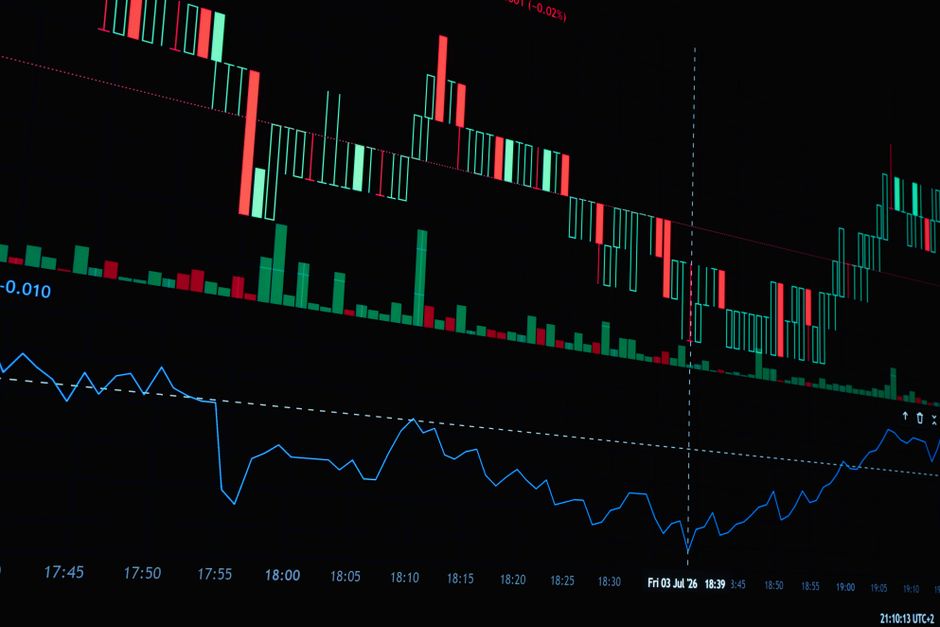
Ten thousand failed entries over five years of data analysis reveals that every teardown orb trading mistakes larrycrowne has logged shows the same thing regarding the trap of a fake opening range breakout. This specific error occurs when a trader sees price move beyond the initial fifteen minute range and assumes a trend has begun, rather than recognizing a failed attempt to expand the current trading bounds.
The Mechanics of the False Breakout
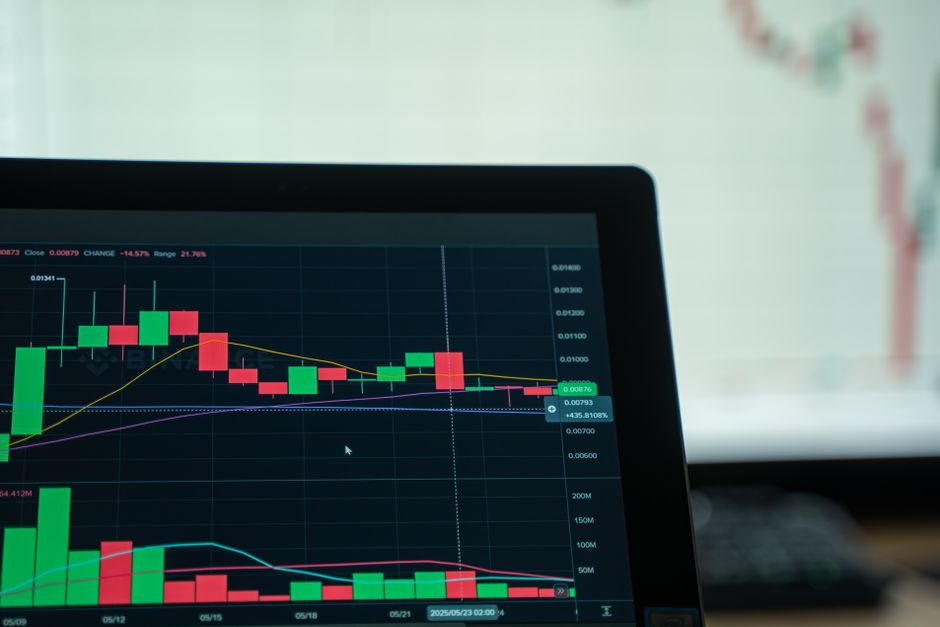
Price often tests the edges of the opening range during the first hour of regular trading hours. A move above the session high looks like momentum, but the lack of follow through indicates a range expansion failure. The price reaches a certain level, fails to hold, and snaps back into the previous volatility zone. This movement is not a trend. It is a rejection of a new price level within a sideways market. The mistake lies in treating a temporary deviation as a structural shift in the intraday direction.
Identifying the Expansion Trap

A breakout requires volume and sustained price action to be valid. When a 5 minute candle closes outside the established bounds but the subsequent candles immediately return to the interior, the expansion has failed. This often happens near the market open when liquidity is high but direction is unclear. The price probes the ceiling or floor of the thirty minute range and finds heavy resistance. Instead of a trend, the market enters a period of mean reversion. The failed expansion becomes a liquidity event that traps participants on the wrong side of the range.
Timeframe Discrepancies
Conflict between a 15 minute and a 60 minute timeframe causes frequent errors. A trader might see a breakout on a small timeframe that is actually just a minor fluctuation within a larger, established range. The larger timeframe dictates the true boundaries. If the price cannot clear the previous day's high or low, any move beyond the current opening range is likely a failed expansion. The mechanical reality is that price is simply hunting for liquidity before returning to the center of the range.
The Impact of Failed Momentum
When an opening range breakout fails, the resulting move back toward the center is often violent. This happens because orders placed at the breakout point are quickly hit by stop losses. The speed of the reversal is a hallmark of a failed expansion. Monitoring the distance between the session high and the mid-point provides a way to measure the potential for this snapback. A trader who misidentifies the move as a trend continuation will find themselves fighting against the actual market structure.
Structural Boundaries
The boundaries of the first fifteen minutes set the stage for the rest of the session. If the price fails to stay outside these lines, the market is ranging. A failed expansion is a specific pattern where price tests a level and immediately reverses. This is a mechanical failure of momentum. The data shows that these events are more frequent when the premarket session was narrow. A narrow premarket often leads to a range-bound day where any perceived breakout is merely a failed attempt to expand the volatility.