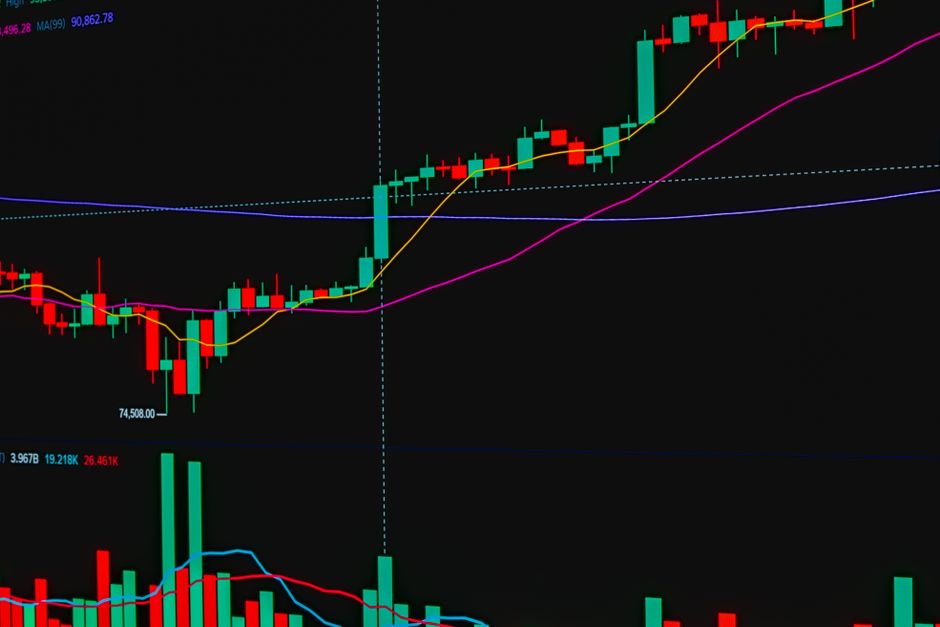
Not every profit target represents a logical exit, as seen in the analysis found within orb trading mistakes larrycrowne regarding the mechanics of an opening range breakout. Traders often mistake a fixed dollar amount for a structural exit point. This error ignores the actual price action relative to the initial volatility of the session. A small sample of data shows that hitting a price target too early often results in missing the full meat of an intraday move.
The Trap of Fixed Targets
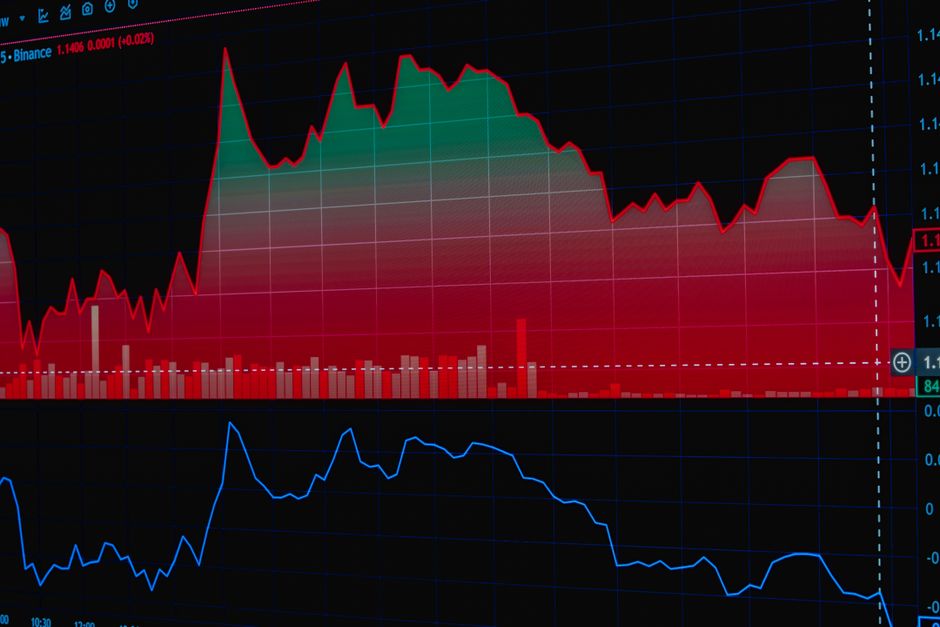
A fixed target relies on a static number rather than the evolving structure of the market. When the opening bell rings, the price establishes a specific volatility boundary. If a trade is entered based on a breakout of the five minute range, the exit should remain tied to that volatility. Setting a target at a random two percent gain ignores whether the price is currently testing a session high or struggling to clear a resistance level. The movement is dictated by the order flow, not by a predetermined mathematical goal. Relying on a fixed number often leads to exiting a position just as the momentum accelerates toward a larger move.
Respecting the Volatility Boundary

The opening range provides the framework for the entire session. Instead of looking at a profit target, the mechanical approach focuses on how price interacts with the fifteen minute range. If the price breaks above the high of the first fifteen minutes, the trend remains intact. An exit should only be triggered when the price structure fails, such as a close back inside the range or a break of a short term moving average. Using a fixed target creates a disconnect between the trade entry and the actual market environment. The price does not care about a specific percentage gain. It only responds to supply and demand at specific levels.
Mechanical Exit Strategies
A disciplined trader uses the timeframe of the setup to dictate the exit. If the setup occurs on a 5 minute chart, the exit follows the technical breakdown of that specific timeframe. This keeps the trade aligned with the current momentum. A fixed target often gets hit during a minor retracement, leaving the position empty before the real trend develops. It is better to trail a stop behind the structural levels of the orb than to aim for a static number. This ensures the trade stays active during a strong trend through the first hour of regular trading hours.
The Cost of Early Exits
Missing a large move due to a fixed target reduces the overall expectancy of the system. A winning trade that is cut short cannot compensate for the losses that occur during flat periods. The math requires capturing the large moves that occur after the initial volatility settles. If the price moves through the thirty minute range with strength, the exit must move with it. A fixed target prevents the capture of these extended moves. The goal is to stay in the trade as long as the structural integrity of the breakout remains intact.