
By the time the morning volatility settles after the opening bell, the error in the setup is often already visible, as the notes at orb trading mistakes larrycrowne describe. A trader might attempt an opening range breakout strategy without maintaining a fixed timeframe for the initial price action. Consistency in the orb selection prevents the confusion caused by shifting between different windows during a single session.
The Danger of Shifting Timeframes
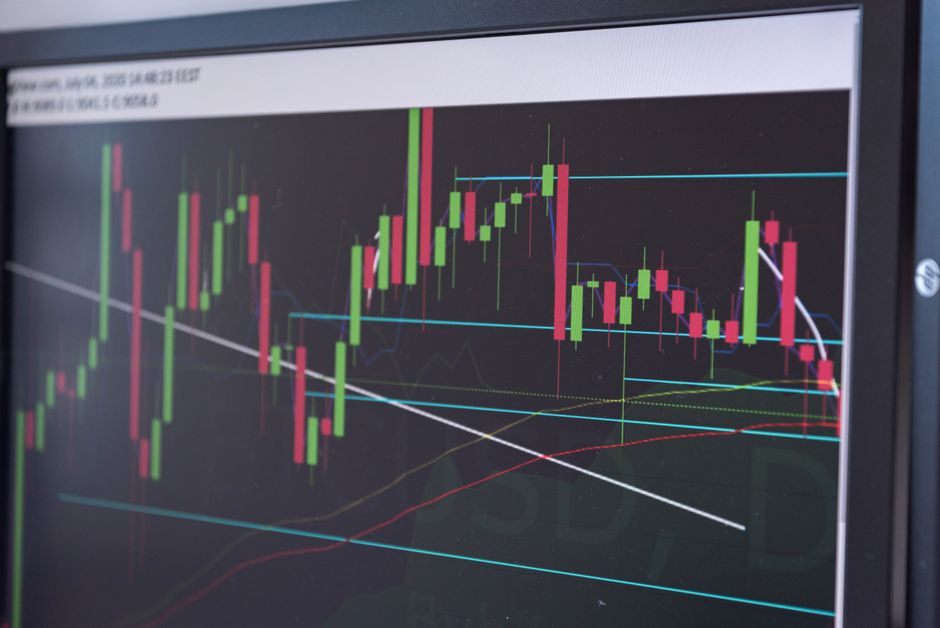
Changing the window from a five minute range to a fifteen minute range mid-session ruins the data set. A mechanical approach requires a single, fixed period to establish the session high or low. When the period switches from a 5 minute view to a 30 minute view because the market feels faster or slower, the resulting signals lose their mathematical basis. Each window provides a different level of noise and different levels of significance. A sudden jump to a larger window mid-stream creates false breakouts that do not exist in the original data.
Regime Drift and Window Selection

Market regimes change, but the measurement tool must remain static to allow for comparison. Some traders move to a 15 minute range when volatility spikes, thinking it captures more structure. This is a mistake. The data from the first fifteen minutes of trading should be compared to previous days using the exact same parameters. If the 30 minute range was used on Tuesday, using a 5 minute range on Wednesday makes the comparison impossible. The edge is lost when the measurement tool fluctuates alongside the price action.
Mechanical Execution of the Range
The process starts at the cash open. The first task is to mark the high and low of the chosen period. If the plan calls for a 15 minute range, those levels are set and not moved. Using a 60 minute range during a trending market might capture the trend, but it misses the early momentum. Conversely, using a 5 minute window in a choppy market leads to frequent stop outs. The selection must be made before the market open and held constant through the intraday session.
Data Integrity and Comparison
A stable timeframe allows for the calculation of win rates and drawdown. Moving between a 5 minute, 15 minute, or 30 minute window prevents the building of a valid historical record. Without a fixed period, the results are a collection of anecdotes rather than a repeatable system. The math requires a constant. A small sample overstates the edge when the parameters are allowed to drift. Stick to the chosen window from the start of regular trading hours until the session ends.