
Ten minutes of data often obscures the direction of a trend that has been established over several weeks. Technical analysis frequently fails when the mechanics of an opening range breakout are applied without regard for the macro environment, a common observation found at orb trading mistakes larrycrowne regarding intraday movement. This misalignment occurs when a trader executes a position based on a single five minute range while the larger timeframe suggests a reversal is imminent. Relying on small scale signals in isolation leads to significant friction in the execution of a consistent strategy.
The Friction of Conflicting Signals

The market open provides immediate volatility that can create the illusion of a new trend. A price move above the high of the first fifteen minutes might look like a strong bullish signal on a 15 minute chart. However, if the weekly chart shows a heavy resistance level just above the current price, the intraday move is likely a trap. This mismatch between the micro signal and the macro trend creates a scenario where the probability of success drops significantly. The mechanics of the trade simply do not align with the larger flow of capital.
Mechanical Failure in Trend Following
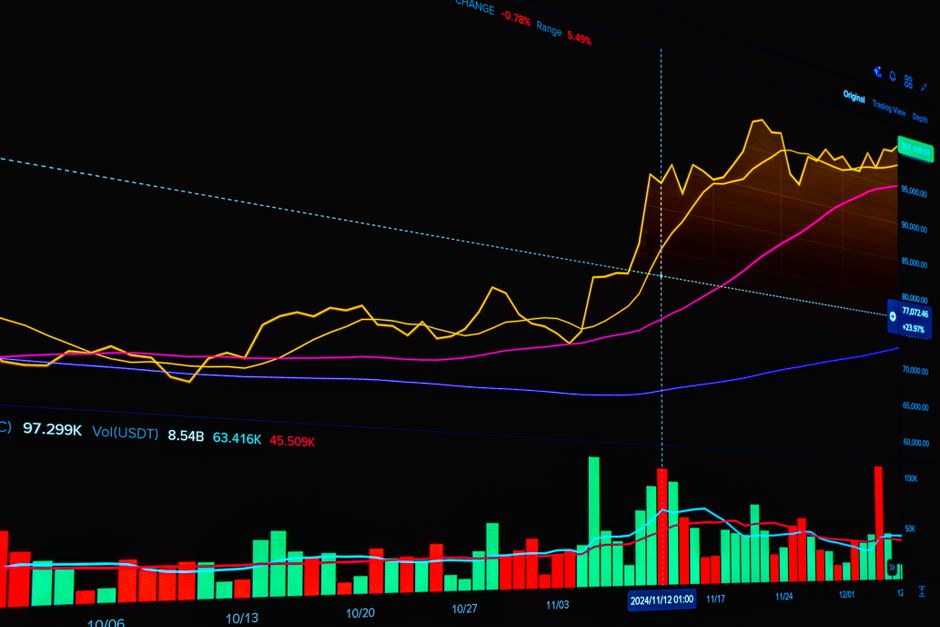
A common error involves ignoring the broader context to chase a specific 5 minute candle pattern. When the higher timeframe is bearish, any long position taken during the first hour of regular trading hours faces an uphill battle. The momentum required to break through a macro resistance level is rarely found in the immediate volatility of the opening bell. Instead, the intraday price action often serves as a mere retracement within a larger downward move. This creates a high failure rate for those attempting to trade against the primary direction.
The Illusion of Local Momentum
Local momentum can appear robust during the cash open, but it lacks the structural support of a macro trend. A breakout from a thirty minute range might seem valid in a vacuum. If that breakout occurs directly into a major daily supply zone, the trade is structurally unsound. The speed of the price movement during the initial session high formation can be deceptive. Without checking the alignment of the timeframe, the entry signal becomes a liability rather than an advantage.
Structural Alignment Requirements
Success in executing an orb requires strict adherence to the hierarchy of charts. The macro direction dictates the bias, while the intraday levels provide the specific entry point. If the daily trend is up, only long signals from the 60 minute range should be considered. If the daily trend is down, short signals from the opening range are the only logical plays. This mechanical approach removes the confusion caused by conflicting signals. Proper execution depends on the convergence of multiple scales of movement.